
Metrics that Matter
Kroger
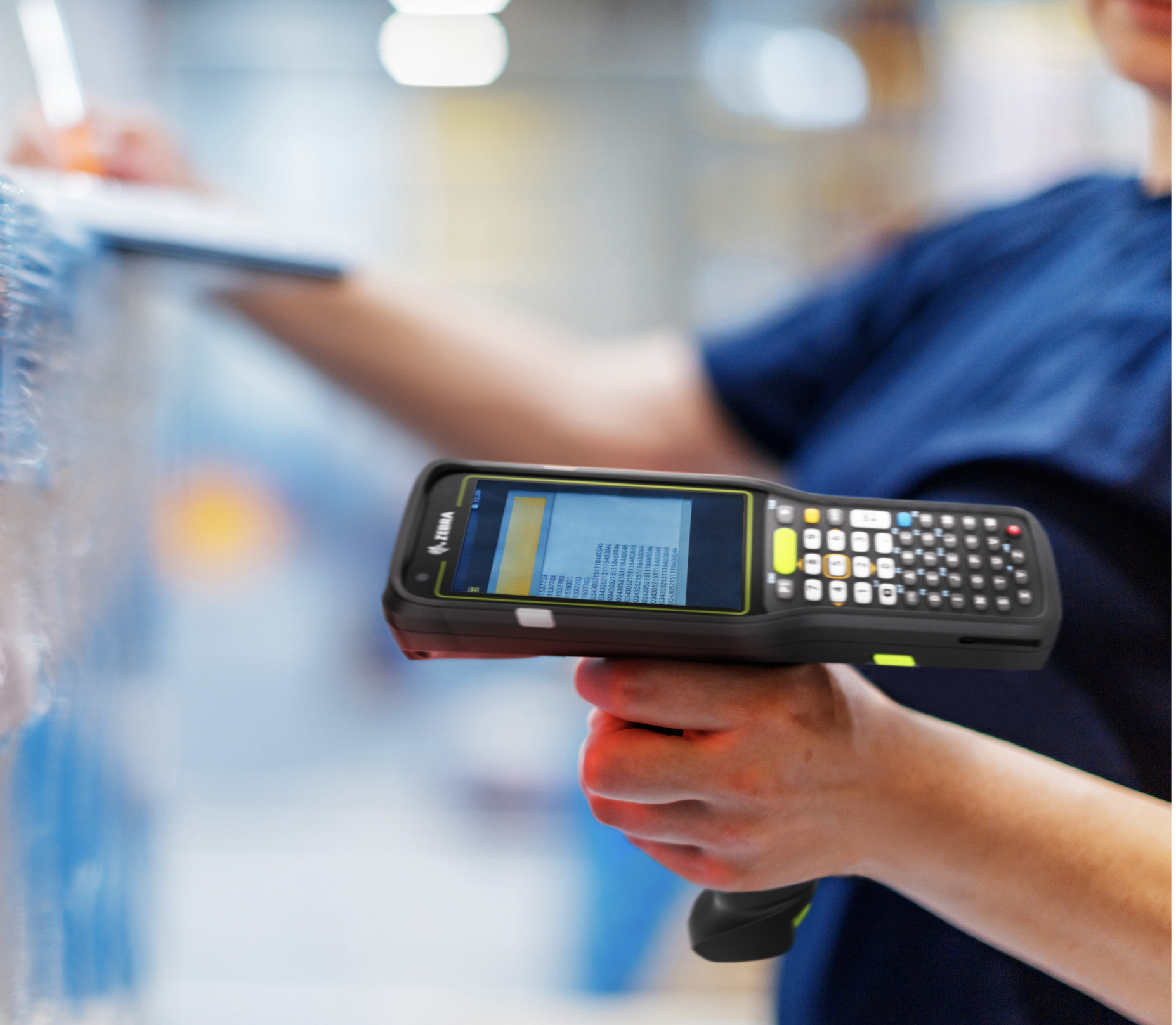
Kroger is one of the largest supermarket chains in the United States, operating thousands of stores across multiple banners and regions.
A vast ecosystem of digital products supports store operations across the organization—from task management and workforce coordination to reporting, performance measurement, and operational decision-making.
My role
I was brought on as a Senior Product Designer within the Task Management domain and Metrics & Measurement pillar, and dedicated to the Metrics platform.
Partnering closely with the Product Manager and Technical Lead, I led research and experience strategy for the Metrics app, helping shape product direction, improve operational workflows, and support data-driven decision-making across 2,300+ stores.
✦ Research strategy and execution
✦ Experience strategy
✦ Information architecture
✦ Workflow analysis
✦ Stakeholder engagement
✦ Concept validation and usability testing
✦ Product vision and roadmap support
Metrics that Matter
Platform:
Android App that surfaces and interprets operational data from Power BI.
Metrics was created to make key operational data available directly on the sales floor, giving store leaders access to actionable performance information at a glance.
Historically, many associates relied on printed reports and physical binders to access store metrics, requiring time to locate, sort through, and interpret information before taking action.
The aim of Metrics is simple:
Put actionable data directly in associates' hands
Reduce reliance on printed reports
Help leaders spend less time searching for information
Create more time for coaching teams and serving customers
As the platform matured, the opportunity shifted from simply displaying data to helping users understand what it meant and what actions they should take next.
Objectives
Through store visits, interviews, workshops, and stakeholder alignment activities, we identified four key opportunity areas to immediately improve the platform. These objectives became guiding principles for Metrics 2.0 and helped shape both product priorities and future roadmap discussions.
-
✦ Provide easy access to store performance data
-
✦ Surface critical & timely information with fewer clicks
-
✦ Increase visibility of critical shrink metrics
-
✦ Drive product awareness & adoption across stores
Evolving the product
I championed and led the research and design effort for Metrics 2.0, introducing the following:
A new information architecture
Improved content hierarchy
Enhanced visibility of key metrics
Introduction of Insights to provide greater context around performance.
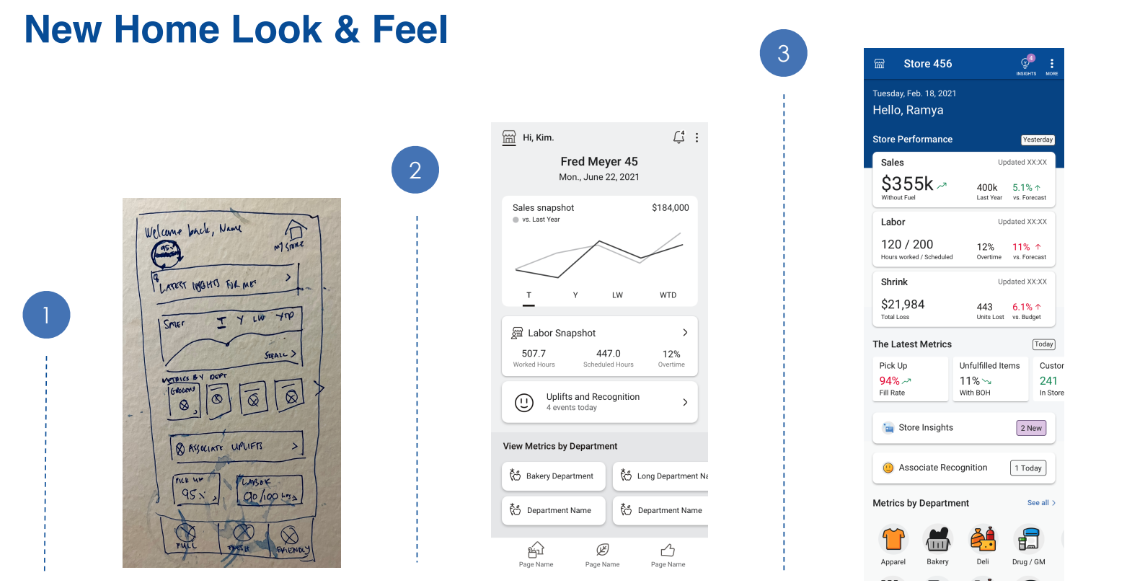
The new Home page feels really straight-forward. I feel like with the old one you had to dive a bit deeper and figure out where everything was...this is very useful for filling out our effective store walk.
— Store Leader

Outcomes
By reducing friction and surfacing more relevant information at the right time, the platform evolved from a reporting tool into a more effective decision-support experience for store leaders.
Increased adoption by 25% across 2,300+ active stores
Expanded the research panel by 125% within one year, providing additional resource for the Task Management domain as a whole, as well as the product
Improved alignment between Product, Engineering, CX, and business stakeholders through ongoing insight sharing
Creation of Product Vision, Mission, North Star Metrics, and roadmap initiatives
Our work was highlighted and we were asked to present our research and product outcomes at Kroger’s annual CX Showcase to an audience of 500+ colleagues